Home › Articles › Unity acquires Synty Studios, maker of the low-poly POLYGON assets: the library will go into the AI platform Unity Spark
Unity acquires Synty Studios, maker of the low-poly POLYGON assets: the library will go into the AI platform Unity Spark
Unity has acquired the New Zealand studio Synty, whose catalogue holds more than 70,000 stylised 3D assets; the library will be integrated into Unity Spark, the AI-based game creation platform that enters closed beta by the end of the year. The value of the deal was not disclosed.
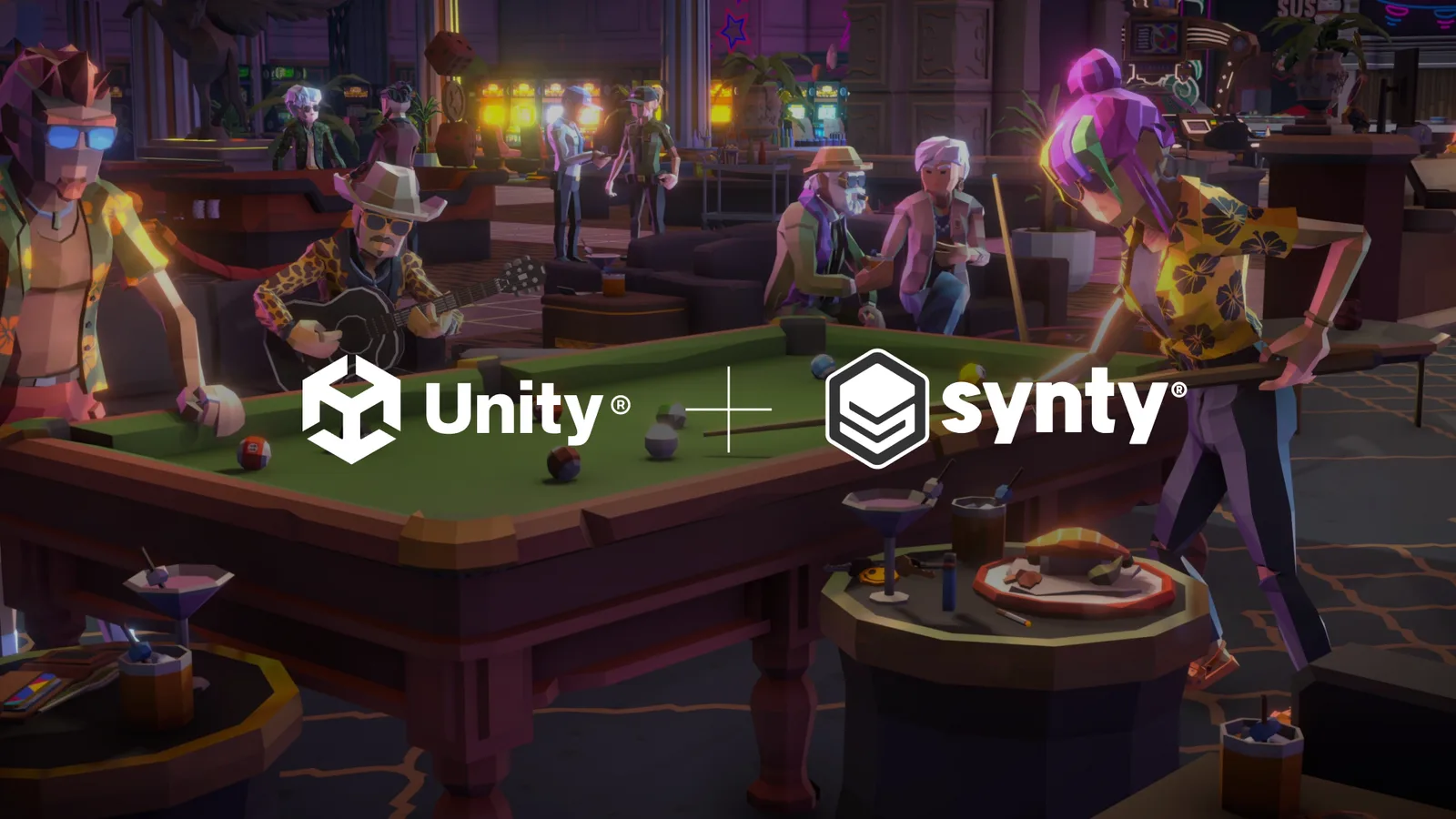
Unity has acquired Synty Studios, the New Zealand studio founded in 2014 that makes low-poly 3D asset packs, starting with the POLYGON series. The deal was presented during the Unite keynote, according to GamesIndustry.biz at Unite Tokyo, and made official in a post on the Unity blog signed by marketing vice president Chris Gfroehrer. Neither Unity nor Synty disclosed the value of the deal.
According to Unity, Synty began when its two founders published a single asset pack, made over a weekend, on the Unity Asset Store; today its library counts more than 70,000 stylised 3D assets, used both by beginners and by professional studios.
The reason for the acquisition is Unity Spark, the “AI-native” platform with which Unity wants to let anyone create a game starting from an idea. Synty's catalogue, together with new content made by its artists, will be available in Spark from the closed beta planned by the end of the year, which, as Unity announced in October, will take place on Google Playground. Spark is connected directly to the Asset Store, from which it will also be able to draw on content from other participating creators.
Unity promises continuity: Synty stays Synty, with the same brand, the same artists and the same style. Most of the artists join Unity full time; existing licences and packs remain valid, free assets stay free, Synty Store and Synty Pass keep working and the packs will remain available for Unreal Engine and Godot too. Unity says it has no plans “at this time” to change prices and that it will give “plenty of notice” before any change to support for rival engines.
Synty co-founder Mike Clephane said that joining Unity will allow the studio's artists to keep building the worlds, characters and detailed assets its community creates with today, while reaching a new generation of creators through Unity Spark.
It is Unity's second initiative aimed at developers in two days, after the launch of the Unity Fellowship, 50,000 dollars in grants for ten independent studios, which we covered yesterday. The point to watch is support for other engines: today Synty packs are widely used by developers working with Unreal and Godot too, and the promise of “plenty of notice” does not rule out future changes.
Sources: Unity, official blog (16 November 2026) and the post “Welcome to Unity, Synty Studios” on Unity Discussions (17 November 2026); Synty Studios, official website; Unity, video “Introducing Unity Spark” (7 October 2026); GamesIndustry.biz (17 November 2026); GamingOnLinux. Text by Statcade.